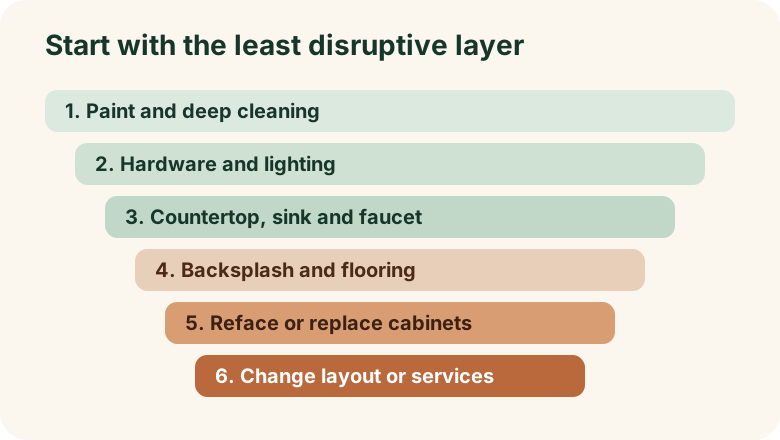
The most economical kitchen renovation is often the one that stops at the right point. A refresh improves surfaces and fixtures; a partial renovation changes selected systems; a remodel can change layout, services and cabinetry.
Three levels of work
| Scope | When it fits | Typical work |
|---|---|---|
| Refresh | Layout and cabinet boxes work | Paint, hardware, lighting, backsplash, countertop, sink and faucet |
| Partial renovation | Some components have failed | Refacing or selective cabinets, flooring, appliances and targeted trade work |
| Full remodel | Layout or systems no longer work | Cabinet replacement, structural changes, relocated services and coordinated trades |
When paint and fixtures are enough
Sound cabinet boxes can often be cleaned, repaired and painted or refaced. A new countertop changes a large horizontal surface, while a new sink and faucet improve both appearance and daily use. Lighting and wall colour can correct a kitchen that feels dark without moving a single wall.
This approach is especially strong when the layout is functional, the floor is serviceable and the electrical and plumbing systems are adequate for the intended appliances.
Signs the project needs to go deeper
- Cabinet boxes are water-damaged, structurally loose or badly configured.
- The refrigerator, range and sink arrangement creates persistent safety or workflow problems.
- Electrical capacity, ventilation, plumbing or gas work must change.
- Floors, walls or subfloors reveal moisture, mould or structural damage.
- Accessibility needs cannot be met within the existing layout.
Compare disruption as well as price
A full remodel can remove the kitchen for weeks or months and exposes more hidden conditions. A refresh may preserve cooking access for much of the work. Include temporary-kitchen supplies, restaurant meals, storage, pet management and time away from work when comparing scopes.
A lower-disruption project can be the better value even if the resale photos are less dramatic.
Use a staged decision
Price the refresh first. Then add the cost of cabinet replacement, flooring, appliances and layout changes as separate layers. The difference between the layers makes the value of each decision visible.